




























































































































AI's Role in Shaping Developer Experience
/AI's Role in Shaping Developer Experience
Software Development

AI's Role in Shaping Developer Experience

Read time 3 mins
May 19, 2026

Tags

Got a question?

Send us your questions, we have the answers

Talk with us

Get expert advice to solve your biggest challenges

Book a Call

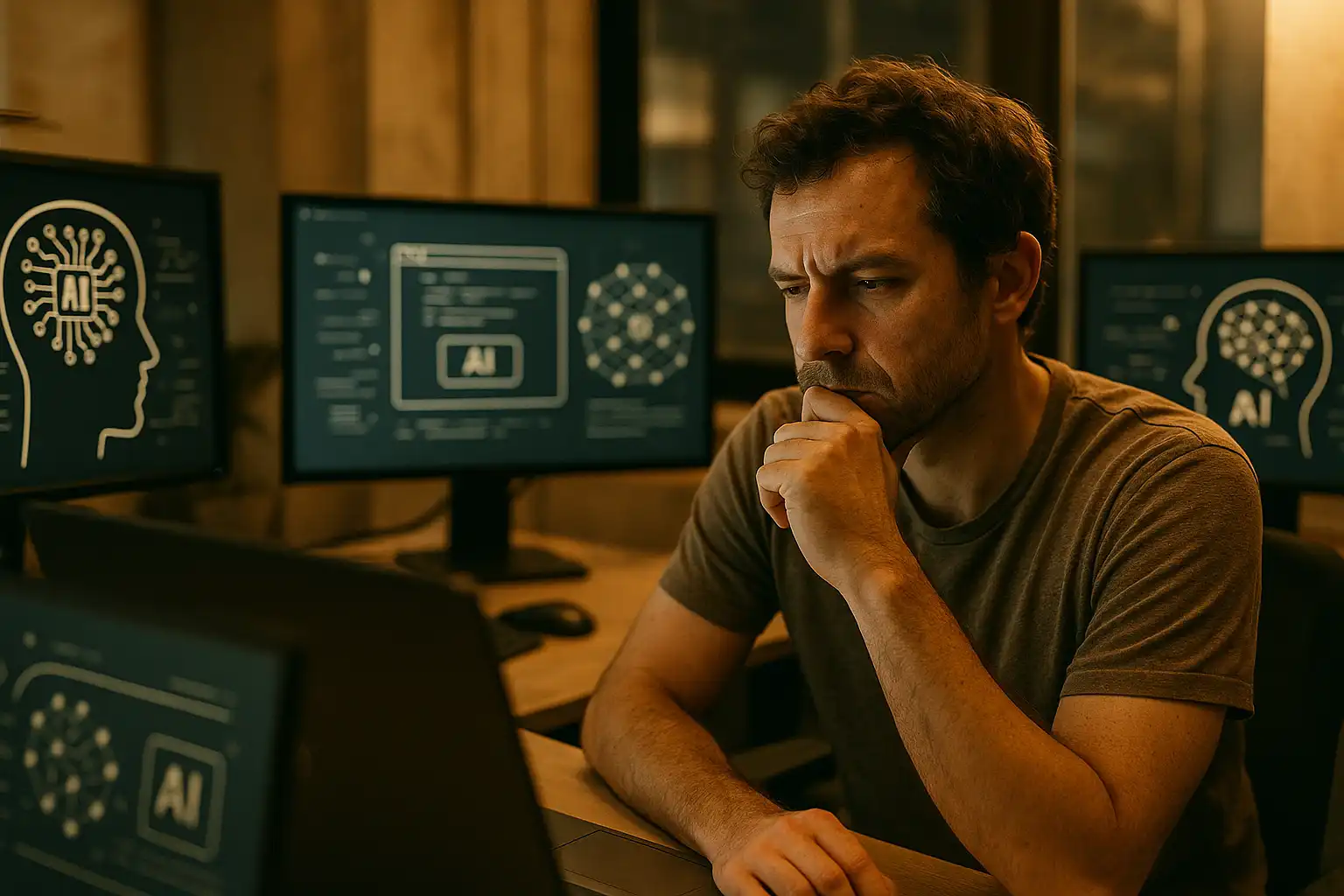
Imagine a world where AI whispers solutions to developers like a silent partner. In the competitive realm of software development, this is no longer a fantasy. AI tools are becoming integral to our workflows, promising to revolutionize the Developer Experience (DevEx). But are we truly ready for this transformation?

The AI Infusion

In recent years, AI has infiltrated almost every aspect of software development. From code generation to bug detection, AI tools are reshaping how developers engage with their work. These tools promise increased efficiency and creativity, yet they also bring new challenges to the table.

One of the most significant shifts is the transition from manual coding to AI-assisted development. Tools like GitHub Copilot and Tabnine are not just enhancing productivity; they're transforming the very nature of coding. Developers are no longer just writers of code but collaborators with intelligent systems.

Balancing Act

With great power comes great responsibility, as the saying goes. While AI tools can ease the cognitive load on developers, they also risk overwhelming them with a deluge of information. The key is in finding a balance that enhances creativity without adding complexity.

This balance isn't easy to achieve. Engineering leaders must strategically integrate AI to support—not hinder—their teams. This means addressing cognitive overload and ensuring developers have the skills to work alongside AI effectively.

The Hidden Cost of Developer Friction

The Hidden Cost of Developer Friction

Every minute an engineer spends configuring environments is a minute not spent shipping features. This friction is a hidden tax on innovation budgets.

Talk to our platform team

Addressing Cognitive Overload

Cognitive overload is a real concern in today's AI-enhanced environments. Developers are bombarded with suggestions, notifications, and data. If not managed well, this can lead to burnout and decreased productivity.

Engineering leaders have a critical role in mitigating these risks. By fostering a culture of mindfulness and clear communication, they can help developers navigate the AI landscape efficiently. Providing training and support to bridge skill gaps is crucial.

Skill Gaps and Training

The introduction of AI tools demands new skills from developers. While some may fear this change, it also presents an opportunity for growth. Training programs that focus on AI literacy can empower developers to harness these tools effectively.

It's not just about technical skills. Soft skills, such as adaptability and problem-solving, are equally important. Developers must learn to collaborate with AI, treating it as a partner rather than a tool. This mindset shift is essential for maximizing the benefits of AI in development.

Key Numbers

70%

Developers using AI tools report increased productivity

40%

Reduction in bug detection time with AI-assisted tools

3x

Faster code review process with AI integration

Empowering Creativity and Innovation

AI tools, when integrated thoughtfully, can unleash a new wave of creativity in software development. By automating mundane tasks, developers can focus on more strategic and creative aspects of their work.

The role of engineering leaders is to create an environment where AI tools complement human creativity rather than stifle it. This involves continuous feedback loops and fostering an experimental mindset.

The Path Forward

The future of Developer Experience lies at the intersection of human ingenuity and AI capabilities. As we move forward, it's crucial to keep the human element at the center of AI integration. This means designing AI tools and workflows that enhance, rather than replace, human effort.

The journey won’t be without challenges. But by embracing AI as a collaborative partner, engineering leaders can pave the way for a more innovative and fulfilling Developer Experience.

AI's Impact on Developer Creativity

AI's Impact on Developer Creativity

AI tools are transforming how developers approach creativity in coding. But are they adding complexity or freeing minds?

Read our take on AI and creativity

Sources

As we conclude this exploration of AI's impact on Developer Experience, it's clear that the integration of AI tools in software development offers both opportunities and challenges. By strategically addressing these elements, engineering leaders can unlock a new era of creativity and productivity.

The key takeaway is to approach AI as a partner in the development process. By doing so, we can ensure that the future of software development remains human-centered, innovative, and resilient. The journey is just beginning, and the potential is boundless.

Related Insights

Device showing continents

Software Development

Exploring Future Trends and Innovations in Software Development

As technology evolves rapidly, the software development landscape undergoes significant transformations. From emerging programming languages to advanced development methodologies, developers are constantly adapting to new trends and innovations shaping the future of software development. According to a report by Statista, the global software development market is projected to reach $507.2 billion by 2023, driven by the increasing demand for digital solutions across industries. This article will explore critical future trends and innovations reshaping the software development landscape and driving industry growth.


Abstract plexus blue geometrical shapes connection Ai Generated Image

Software Development

Navigating the Future with Blockchain Integration and Web3 Solutions in Software Development

Integrating blockchain technology and Web3 solutions into software development is revolutionizing how applications are designed, deployed, and operated. Blockchain, a decentralized and immutable ledger technology, offers unprecedented security and transparency, making it ideal for many applications beyond cryptocurrency. According to a report by Market Research Future, the global blockchain technology market is projected to reach $39.7 billion by 2025, growing at a CAGR of 67.3% from 2018 to 2025. Additionally, the emergence of Web3, a decentralized and user-centric internet, drives the adoption of blockchain-based solutions across industries.

desk

How Can Marketeq Help?

InnovateTransformSucceed

Unleashing Possibilities through Expert Technology Solutions

Get the ball rolling

Click the link below to book a call with one of our experts.

Book a call
triangles

Keep Up with Marketeq

Stay up to date on the latest industry trends.