

















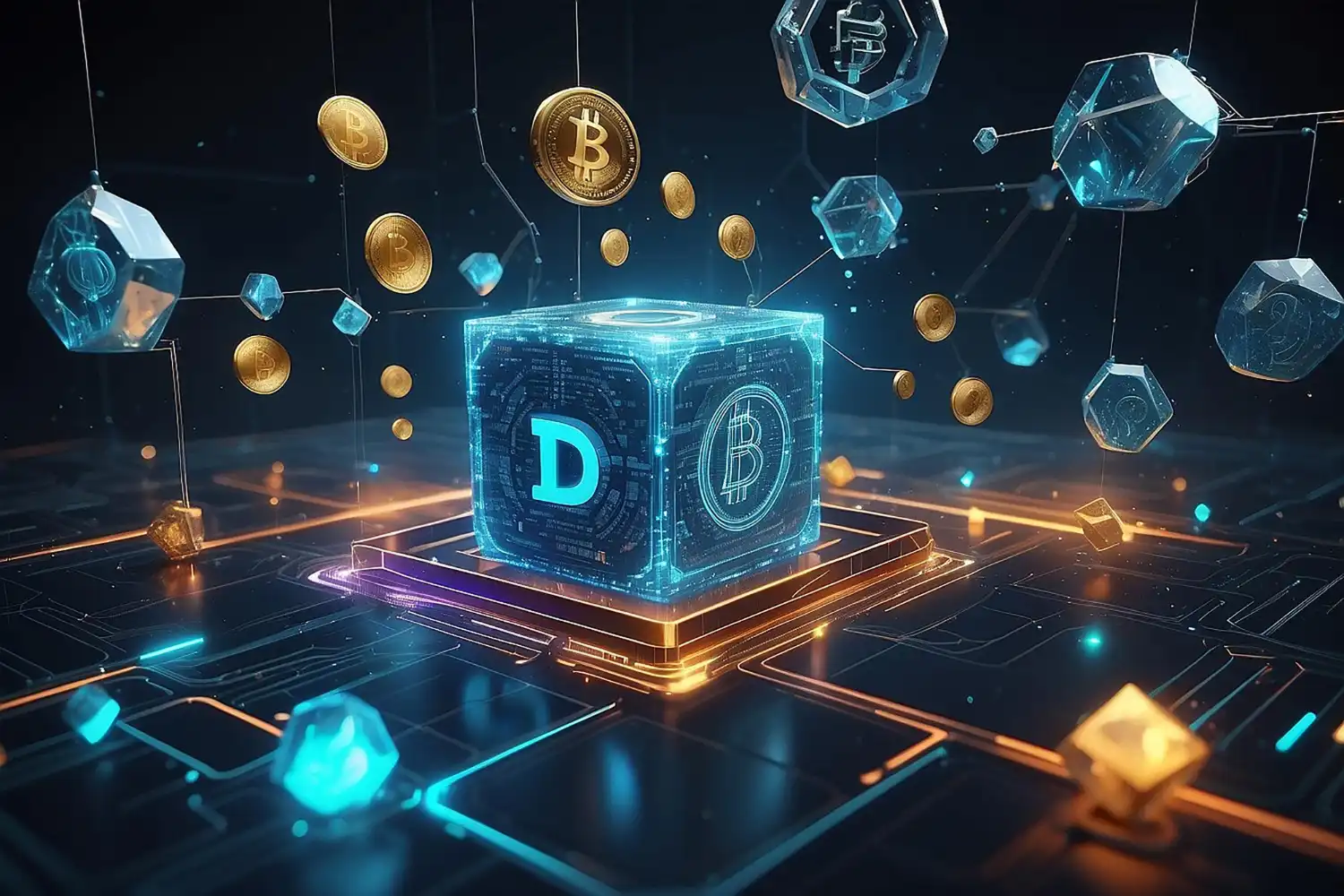




Abstract background blockchain and cryptocurrency concept
Home
/Insights
/How DeFi is Redefining Banking and Investment
Web3

How DeFi is Redefining Banking and Investment

Read time 5 mins
February 29, 2024
Previous Insight5 minsReadNext Insight10 minsRead

Tags

Decentralized Finance (DeFi)Financial InclusionFinancial TechnologyImpact Investing
0 Votes

Related Services

Web3 SolutionsBlockchain ConsultingMachine LearningArtificial Intelligence

Got a question?

Send us your questions, we have the answers

Talk with us

Get expert advice to solve your biggest challenges

Book a Call

Introduction

The financial landscape is in the midst of a profound evolution, propelled by the advent of Web3 and Decentralized Finance (DeFi). Unlike the traditional internet architecture, Web3 operates on a decentralized framework, underpinned by blockchain technology. This decentralization empowers users, granting them greater sovereignty over their digital assets and interactions. In parallel, DeFi leverages blockchain and smart contracts to revolutionize financial services, offering a decentralized alternative to conventional banking systems. This shift towards decentralized finance opens up a plethora of opportunities for individuals and businesses globally, promising greater accessibility, transparency, and efficiency in financial transactions.

Understanding Web3 and DeFi

Web3's decentralized architecture revolutionizes online interactions by redistributing control away from centralized entities towards individual users. This paradigm shift not only enhances security and transparency but also promotes autonomy and privacy in digital transactions. By leveraging blockchain technology, Web3 ensures the integrity and immutability of data, mitigating the risks associated with centralized data storage and manipulation. Moreover, Web3 facilitates direct peer-to-peer interactions, eliminating the need for intermediaries and reducing transaction costs.

In parallel, the rapid expansion of DeFi signifies a monumental transformation in the financial landscape. DeFi protocols offer a wide range of decentralized financial services, empowering users with greater access to lending, borrowing, trading, and asset management opportunities. The exponential growth of DeFi, as evidenced by the surging total value locked in protocols, underscores its disruptive potential and widespread adoption. These decentralized applications democratize access to financial services, fostering inclusivity and innovation in the global financial ecosystem.

Businesss woman helping a couple
Two people shaking hands in a meeting

Web3 Solutions will transform your digital ecosystem

Explore the frontier of Web 3 with our customized solutions. From blockchain architecture to decentralized platforms, we empower clients with unparalleled security and transparency. Schedule a call today to revolutionize your digital ecosystem and redefine the future of technology and trust.

Learn More

Impact on Emerging Markets

The transformative impact of Web3 and DeFi on emerging markets extends beyond mere accessibility to financial services. These technologies catalyze economic empowerment by fostering entrepreneurship and innovation within these regions. With Web3's decentralized infrastructure, individuals gain the autonomy to engage in economic activities without the constraints imposed by traditional intermediaries. This newfound freedom stimulates entrepreneurship, as individuals can launch businesses, access funding, and participate in global markets with unprecedented ease.

Furthermore, DeFi protocols provide a level playing field for individuals and businesses by removing traditional credit barriers. This democratization of access to capital not only fuels economic growth but also fosters social mobility and reduces income inequality. As a result, emerging markets experience a virtuous cycle of development, where increased financial inclusion leads to higher productivity, greater prosperity, and enhanced well-being for all stakeholders. Ultimately, Web3 and DeFi serve as catalysts for positive socioeconomic transformation, unlocking the full potential of emerging markets on a global scale.

"From billions unlocked in DeFi protocols to millions unbanked yet reachable, each statistic signifies a step towards a more inclusive and prosperous financial future."

Opportunities and Advancements

In addition to addressing financial inclusion, Web3 and DeFi present a spectrum of opportunities for innovation and advancement in emerging markets. Blockchain-based remittance platforms revolutionize cross-border transactions, offering efficient and low-cost alternatives to traditional remittance channels. By leveraging blockchain technology, these platforms streamline the transfer of funds, reducing transaction fees and processing times while enhancing transparency and security. This innovation not only benefits individuals by providing faster and more affordable remittance services but also strengthens financial connectivity between emerging markets and the global economy.

Moreover, asset tokenization emerges as a game-changer in unlocking investment opportunities in emerging markets. By representing real-world assets as digital tokens on blockchain networks, asset tokenization enables fractional ownership and liquidity, thereby democratizing access to investment opportunities. This democratization of investment opportunities stimulates economic development by attracting capital to various sectors such as real estate, agriculture, and infrastructure. Ultimately, Web3 and DeFi empower individuals and businesses in emerging markets to participate more actively in the global economy, fostering economic growth, and prosperity.

Regulatory and Security Considerations

While the transformative potential of Web3 and DeFi in emerging markets is undeniable, it is essential to address regulatory and security considerations to ensure the sustainability and trustworthiness of these technologies. Regulatory clarity plays a pivotal role in providing a conducive environment for the adoption and growth of Web3 and DeFi platforms.

Governments and regulatory bodies must collaborate with industry stakeholders to establish clear and adaptable regulatory frameworks that foster innovation while safeguarding consumer protection and financial stability. A balanced regulatory approach that promotes innovation while mitigating potential risks is essential to foster investor confidence and promote responsible adoption of decentralized finance solutions. Robust security measures are imperative to mitigate the risks of fraud, hacking, and other malicious activities in the decentralized ecosystem. Security breaches and vulnerabilities pose significant threats to user funds and the integrity of DeFi protocols. Therefore, implementing stringent security protocols, such as multi-factor authentication, encryption, and smart contract auditing, is paramount to safeguarding the assets and privacy of users. Moreover, continuous monitoring and proactive risk management practices are necessary to detect and mitigate emerging threats promptly. Collaborative efforts between industry participants, cybersecurity experts, and regulatory authorities are essential to establish and uphold robust security standards that protect the integrity and trustworthiness of Web3 and DeFi platforms in emerging markets and beyond.

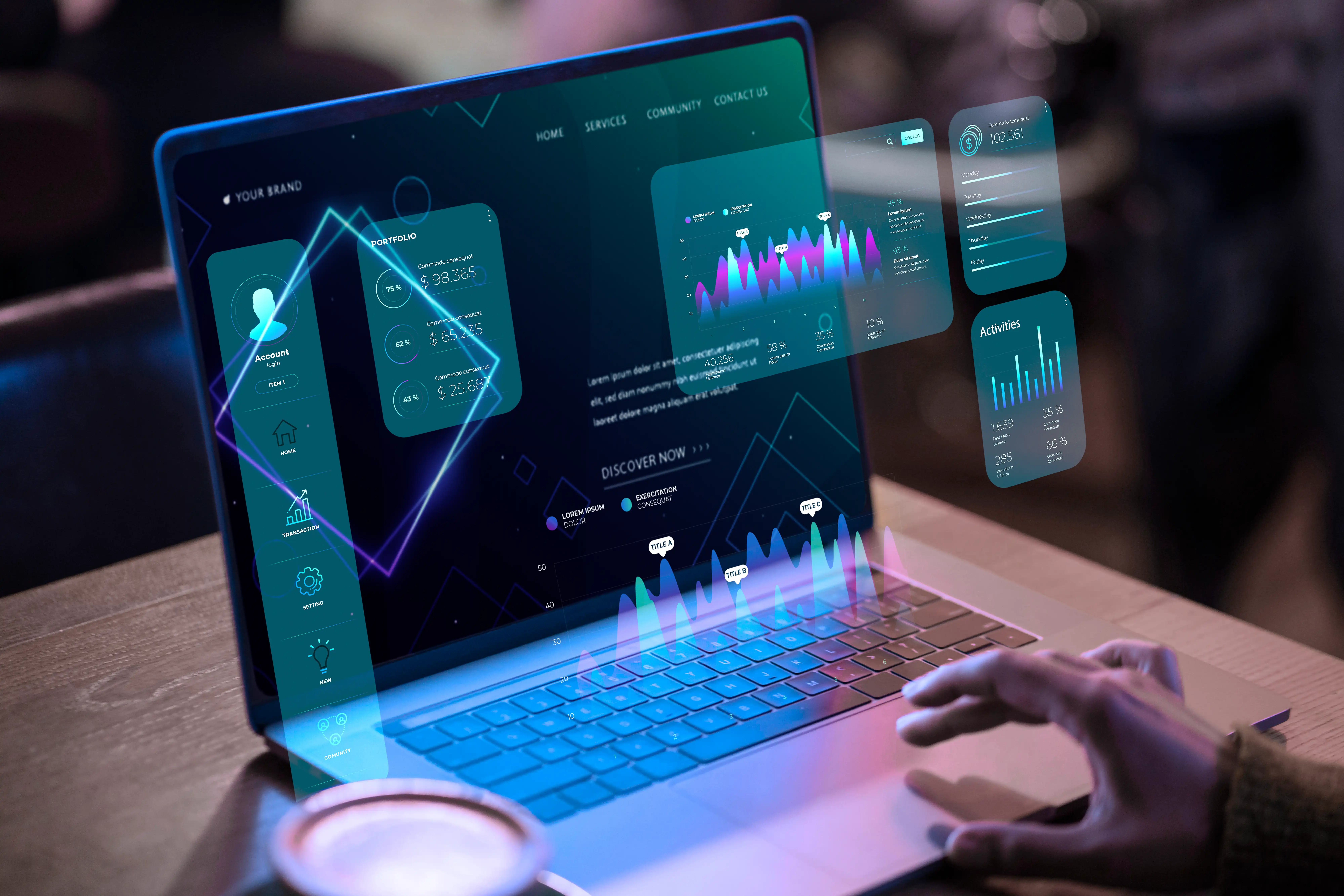
Person looking at statistics on laptop

Key Statistics on Web3 and DeFi

Findings from industry reports and research studies provide valuable insights into the transformative potential of Web3 and Decentralized Finance (DeFi) technologies.

100 billion

The total value locked (TVL) in decentralized finance (DeFi) protocols surpassed $100 billion in 2021, highlighting the rapid adoption of DeFi solutions.

2.7 billion

Approximately 2.7 billion people globally remain unbanked or underbanked, lacking access to basic financial services.

30%

Businesses implementing Web3 and DeFi solutions have reported a projected 30% reduction in financial service costs.

Future Outlook

As we peer into the future, the trajectory of finance in emerging markets is undeniably intertwined with the continued evolution of Web3 and DeFi technologies. These transformative forces promise to catalyze a paradigm shift in the financial landscape, democratizing access to capital and reshaping economic structures on a global scale.

The relentless advancement of Web3 and DeFi heralds a new era of inclusivity and empowerment, where individuals and businesses in emerging markets can harness the full potential of decentralized finance to drive innovation and foster economic growth. By embracing these technologies and fostering collaboration among stakeholders, emerging markets are poised to leapfrog traditional financial systems, unlocking a myriad of opportunities for prosperity and development.

Furthermore, the future outlook underscores the importance of regulatory clarity and infrastructure development to support the widespread adoption of Web3 and DeFi in emerging markets. With the right frameworks in place, these technologies have the potential to revolutionize financial systems, ushering in a more inclusive and prosperous future for all.

Conclusion

The emergence of Web3 and Decentralized Finance (DeFi) represents a paradigm shift in the financial landscape, offering unprecedented opportunities for innovation and inclusion, particularly in emerging markets. The decentralized architecture of Web3 enhances security, transparency, and autonomy in digital transactions, while DeFi protocols democratize access to financial services, fueling economic empowerment and social mobility. However, to realize the full potential of these technologies, it is imperative to address regulatory and security considerations effectively.

Regulatory clarity and adaptable frameworks are essential to foster innovation while safeguarding consumer protection and financial stability. Similarly, robust security measures are crucial to mitigate risks and safeguard user funds and privacy in the decentralized ecosystem. As we navigate the evolving landscape of decentralized finance, it is imperative to prioritize responsible adoption, innovation, and collaboration to harness the transformative potential of Web3 and DeFi for the benefit of all stakeholders.

Related Insights

Female content creator sitting at table with camera on tripod in front of her

Web3

Empowering Creators with Web3 Content Transformation

There is a paradigm shift occurring as a result of the emergence of Web3, also known as the decentralized web, technologies holds the promise of revolutionizing content creation by empowering creators like never before. Traditionally, content creators have faced numerous challenges in terms of ownership, control, and compensation for their work. Centralized platforms often dictate the terms and conditions, exerting significant control over content distribution and monetization. This has resulted in a lack of transparency, unequal profit sharing, and limited avenues for creators to showcase their talent.

globe surrounded by futuristic city

Web3

Web3 and Cross-Border Payments Transforming Remittances and Global Transactions

The internet has continually evolved, and with the emergence of Web3, we are witnessing a paradigm shift in how industries operate. Web3, characterized by decentralization, blockchain technology, and user empowerment, is set to revolutionize various sectors, including finance, healthcare, supply chain, and more.

Global network connection on planet earth

Web3

Bridging the Gap Between Blockchain and the Physical World

The fusion of Web3 and the Internet of Things (IoT) marks a pivotal moment in the evolution of technology, catalyzing a transformative shift that extends far beyond the digital realm. As these two innovative domains converge, they unlock unprecedented potential to bridge the gap between the virtual and physical worlds. Imagine a world where every object, from household appliances to industrial machinery, is not just inert matter, but a dynamic node in a vast interconnected network. This interconnectedness empowers objects to communicate, collaborate, and autonomously respond to stimuli, fundamentally altering the way we interact with our environment.

desk

How Can Marketeq Help?

InnovateTransformSucceed

Unleashing Possibilities through Expert Technology Solutions

Get the ball rolling

Click the link below to book a call with one of our experts.

Book a call
triangles

Keep Up with Marketeq

Stay up to date on the latest industry trends.

Terms Of UsePrivacyCookiesFAQ'sContact
888.455.7888
Marketeq specializes in crafting custom tailored digital solutions for enhanced growth and efficiency.
InsightsServicesIndustriesAbout UsCareers

Ā© 2011 - 2026 Marketeq Digital Inc. All Rights Reserved.

Marketeq Digital Inc. operates independently as an IT consulting firm, adhering to legal regulations and industry standards in all client engagements. Our commitment to legal compliance ensures transparency and trust in our services. We are committed to upholding the highest standards of legal compliance and ethical conduct in all aspects of our operations. We understand the importance of transparency and trust in our client relationships, which is why we prioritize legal integrity and regulatory adherence. Our team of experts adheres to all relevant laws, regulations, and industry standards, ensuring that our services are delivered with professionalism and accountability.

Terms Of UsePrivacyCookiesFAQ'sContact

Switching language...

Select Language​▼
    Lang
    Global - English
    Lang
    Abkhazia - Abkhaz
    Lang
    Afghanistan - Dari
    Lang
    Afghanistan - Pashto
    Lang
    Albania - Shqiptar
    Lang
    Ancient India - Sanskrit
    Lang
    Armenia - Armenian
    Lang
    Azerbaijan - Azerbaijani
    Lang
    Bangladesh - Bengali
    Lang
    Belarus - Belarusian
    Lang
    Benin - Fon
    Lang
    Bhutan - Dzongkha
    Lang
    Bolivia - Aymara
    Lang
    Bosnia and Herzegovina - Bosnian
    Lang
    Botswana - Tswana
    Lang
    Brazil - Hunsrik
    Lang
    Bulgaria - Bulgarian
    Lang
    Burundi - Rundi
    Lang
    Cambodia - Khmer
    Lang
    Canada - French (Canada)
    Lang
    Canada - Inuktut (Latin)
    Lang
    Canada - Inuktut (Syllabics)
    Lang
    Central African Republic - Sango
    Lang
    China - Mandarin (Simplified)
    Lang
    China - Hmong
    Lang
    China - Xinjiang - Uyghur
    Lang
    Crimea - Crimean Tatar (Cyrillic)
    Lang
    Crimea - Crimean Tatar (Latin)
    Lang
    Croatia - Croatian
    Lang
    CuraƧao - Papiamento
    Lang
    Czech Republic - Czech
    Lang
    Denmark - Danish
    Lang
    Djibouti - Afar
    Lang
    DR Congo - Kikongo
    Lang
    DR Congo - Lingala
    Lang
    DR Congo - Tshiluba
    Lang
    Eritrea and Ethiopia - Tigrinya
    Lang
    Estonia - Estonian
    Lang
    Eswatini - Swati
    Lang
    Ethiopia - Amharic
    Lang
    Ethiopia - Oromo
    Lang
    Faroe Islands - Faroese
    Lang
    Fiji - Fijian
    Lang
    Finland - Finnish
    Lang
    France - Breton
    Lang
    France - Corsican
    Lang
    France - FranƧais
    Lang
    France - Occitan
    Lang
    French Polynesia - Tahitian
    Lang
    Georgia - Georgian
    Lang
    Germany - German
    Lang
    Ghana - Ga
    Lang
    Ghana - Akan
    Lang
    Global - Arabic
    Lang
    Global - Esperanto
    Lang
    Global - Romani
    Lang
    Global - Yiddish
    Lang
    Greece - Greek
    Lang
    Greenland - Kalaallisut
    Lang
    Guam - Chamorro
    Lang
    Guatemala - Mam
    Lang
    Guatemala - Qʼeqchiʼ
    Lang
    Guinea - NKo
    Lang
    Guinea - Susu
    Lang
    Haiti - Haitian Creole
    Lang
    Hong Kong - Cantonese
    Lang
    Hungary - Hungarian
    Lang
    Iceland - Icelandic
    Lang
    India - Assamese
    Lang
    India - Awadhi
    Lang
    India - Bhojpuri
    Lang
    India - Dogri
    Lang
    India - Gujarati
    Lang
    India - Hindi
    Lang
    India - Kannada
    Lang
    India - Khasi
    Lang
    India - Kokborok
    Lang
    India - Konkani
    Lang
    India - Maithili
    Lang
    India - Malayalam
    Lang
    India - Marathi
    Lang
    India - Marwadi
    Lang
    India - Meiteilon (Manipuri)
    Lang
    India - Mizo
    Lang
    India - Odia (Oriya)
    Lang
    India - Punjabi
    Lang
    India - Santali (Latin)
    Lang
    India - Santali (Ol Chiki)
    Lang
    India - Tamil
    Lang
    India - Telugu
    Lang
    India - Tulu
    Lang
    Indonesia - Acehnese
    Lang
    Indonesia - Balinese
    Lang
    Indonesia - Batak Karo
    Lang
    Indonesia - Batak Simalungun
    Lang
    Indonesia - Batak Toba
    Lang
    Indonesia - Betawi
    Lang
    Indonesia - Bahasa Indonesia
    Lang
    Indonesia - Jawa
    Lang
    Indonesia - Madurese
    Lang
    Indonesia - Makassar
    Lang
    Indonesia - Minang
    Lang
    Indonesia - Sundanese
    Lang
    Iran - Persian
    Lang
    Iraq - Kurdish
    Lang
    Iraq - Kurdish (Sorani)
    Lang
    Ireland - Irish
    Lang
    Isle of Man - Manx
    Lang
    Israel - Hebrew
    Lang
    Italy - Friulian
    Lang
    Italy - Italiano
    Lang
    Italy - Ligurian
    Lang
    Italy - Lombard
    Lang
    Italy - Sicilian
    Lang
    Italy - Venetian
    Lang
    Ivory Coast - BaoulƩ
    Lang
    Ivory Coast - Dyula
    Lang
    Jamaica - Jamaican Patois
    Lang
    Japan - Japanese
    Lang
    Kazakhstan - Kazakh
    Lang
    Kenya - Luo
    Lang
    Kyrgyzstan - Kyrgyz
    Lang
    Laos - Lao
    Lang
    Latvia - Latgalian
    Lang
    Latvia - Latvian
    Lang
    Lesotho - Sesotho
    Lang
    Lithuania - Lithuanian
    Lang
    Luxembourg - Luxembourgish
    Lang
    Madagascar - Malagasy
    Lang
    Malawi - Nyanja (Chichewa)
    Lang
    Malawi - Tumbuka
    Lang
    Malaysia - Iban
    Lang
    Malaysia - Malay
    Lang
    Malaysia - Malay (Jawi)
    Lang
    Maldives - Dhivehi
    Lang
    Mali - Bamanankan
    Lang
    Malta - Maltese
    Lang
    Marshall Islands - Marshallese
    Lang
    Mauritius - Mauritian Creole
    Lang
    Mexico - Nahuatl (Eastern Huasteca)
    Lang
    Mexico - Yucatec Maya
    Lang
    Mexico - Zapotec
    Lang
    Micronesia - Chuukese
    Lang
    Mongolia - Mongolian
    Lang
    Morocco - Tamazight
    Lang
    Morocco - Tamazight (Tifinagh)
    Lang
    Myanmar - Hakha Chin
    Lang
    Myanmar - Jingpo
    Lang
    Myanmar - Shan
    Lang
    Myanmar (Burma) - Myanmar (Burmese)
    Lang
    Nepal - Nepalbhasa (Newari)
    Lang
    Nepal - Nepali
    Lang
    Netherlands - Dutch
    Lang
    Netherlands - Frysk
    Lang
    Netherlands - Limburgish
    Lang
    New Zealand - Maori
    Lang
    Nigeria - Hausa
    Lang
    Nigeria - Igbo
    Lang
    Nigeria - Kanuri
    Lang
    Nigeria - Tiv
    Lang
    Nigeria - Yoruba
    Lang
    North Macedonia - Macedonian
    Lang
    Norway - Norwegian
    Lang
    Pakistan - Baluchi
    Lang
    Pakistan - Punjabi (Shahmukhi)
    Lang
    Pakistan - Urdu
    Lang
    Pakistan - Sindh - Sindhi
    Lang
    Papua New Guinea - Tok Pisin
    Lang
    Paraguay - Guarani
    Lang
    Peru - Quechua
    Lang
    Philippines - Bikol
    Lang
    Philippines - Cebuano
    Lang
    Philippines - Filipino (Tagalog)
    Lang
    Philippines - Hiligaynon
    Lang
    Philippines - Ilocano
    Lang
    Philippines - Kapampangan
    Lang
    Philippines - Pangasinan
    Lang
    Philippines - Waray
    Lang
    Poland - Polish
    Lang
    Poland - Silesian
    Lang
    Portugal - PortuguĆŖs
    Lang
    Portugal - Portuguese (Portugal)
    Lang
    Republic of Congo - Kituba
    Lang
    Romania - Română
    Lang
    Russia - Russian
    Lang
    Russia (Bashkortostan) - Bashkir
    Lang
    Russia (Buryatia) - Buryat
    Lang
    Russia (Chechnya) - Chechen
    Lang
    Russia (Chuvashia) - Chuvash
    Lang
    Russia (Dagestan) - Avar
    Lang
    Russia (Komi Republic) - Komi
    Lang
    Russia (Mari El) - Meadow Mari
    Lang
    Russia (North Ossetia) - Ossetian
    Lang
    Russia (Sakha) - Yakut
    Lang
    Russia (Tatarstan) - Tatar
    Lang
    Russia (Tuva) - Tuvan
    Lang
    Russia (Udmurtia) - Udmurt
    Lang
    Rwanda - Kinyarwanda
    Lang
    Samoa - Samoan
    Lang
    Sapmi - Sami (North)
    Lang
    Scotland - Scots Gaelic
    Lang
    Senegal - Wolof
    Lang
    Serbia - Serbian
    Lang
    Seychelles - Seychellois Creole
    Lang
    Sierra Leone - Krio
    Lang
    Slovakia - Slovak
    Lang
    Slovenia - Slovenian
    Lang
    Somalia - Somali
    Lang
    South Africa - Afrikaans
    Lang
    South Africa - Sepedi
    Lang
    South Africa - Tsonga
    Lang
    South Africa - Venda
    Lang
    South Africa - IsiXhosa
    Lang
    South Africa - IsiZulu
    Lang
    South Korea - Korean
    Lang
    South Sudan - Dinka
    Lang
    South Sudan - Nuer
    Lang
    Spain - Basque
    Lang
    Spain - Catalan
    Lang
    Spain - Galego
    Lang
    Spain - Latin
    Lang
    Spain - EspaƱol
    Lang
    Sri Lanka - Sinhala (Sinhalese)
    Lang
    Sweden - Swedish
    Lang
    Taiwan - Mandarin (Traditional)
    Lang
    Tajikistan - Tajik
    Lang
    Tanzania - Kiswahili
    Lang
    Thailand - Thai
    Lang
    Tibet - Tibetan
    Lang
    Timor-Leste - Tetum
    Lang
    Togo - Ewe
    Lang
    Tonga - Tongan
    Lang
    Turkey - Turkish
    Lang
    Turkmenistan - Turkmen
    Lang
    Uganda - Acholi
    Lang
    Uganda - Alur
    Lang
    Uganda - Kiga
    Lang
    Uganda - Luganda
    Lang
    Ukraine - Ukrainian
    Lang
    United Kingdom - English
    Lang
    United States - English
    Lang
    United States - Hawaiian
    Lang
    Uzbekistan - Uzbek
    Lang
    Vietnam - Vietnamese
    Lang
    Wales - Welsh
    Lang
    West Africa - Fulani
    Lang
    Zambia - Bemba
    Lang
    Zimbabwe - Dombe
    Lang
    Zimbabwe - Ndau
    Lang
    Zimbabwe - Ndebele (South)
    Lang
    Zimbabwe - Shona
    Original text
    Rate this translation
    Your feedback will be used to help improve Google Translate

    This site uses cookies

    By continuing to the browse, you agree to our use of cookies. These small text files are stored on your device to enhance your browsing experience and analyze site usage. You can manage or disable cookies in your browser settings Cookies Policy