




























































































































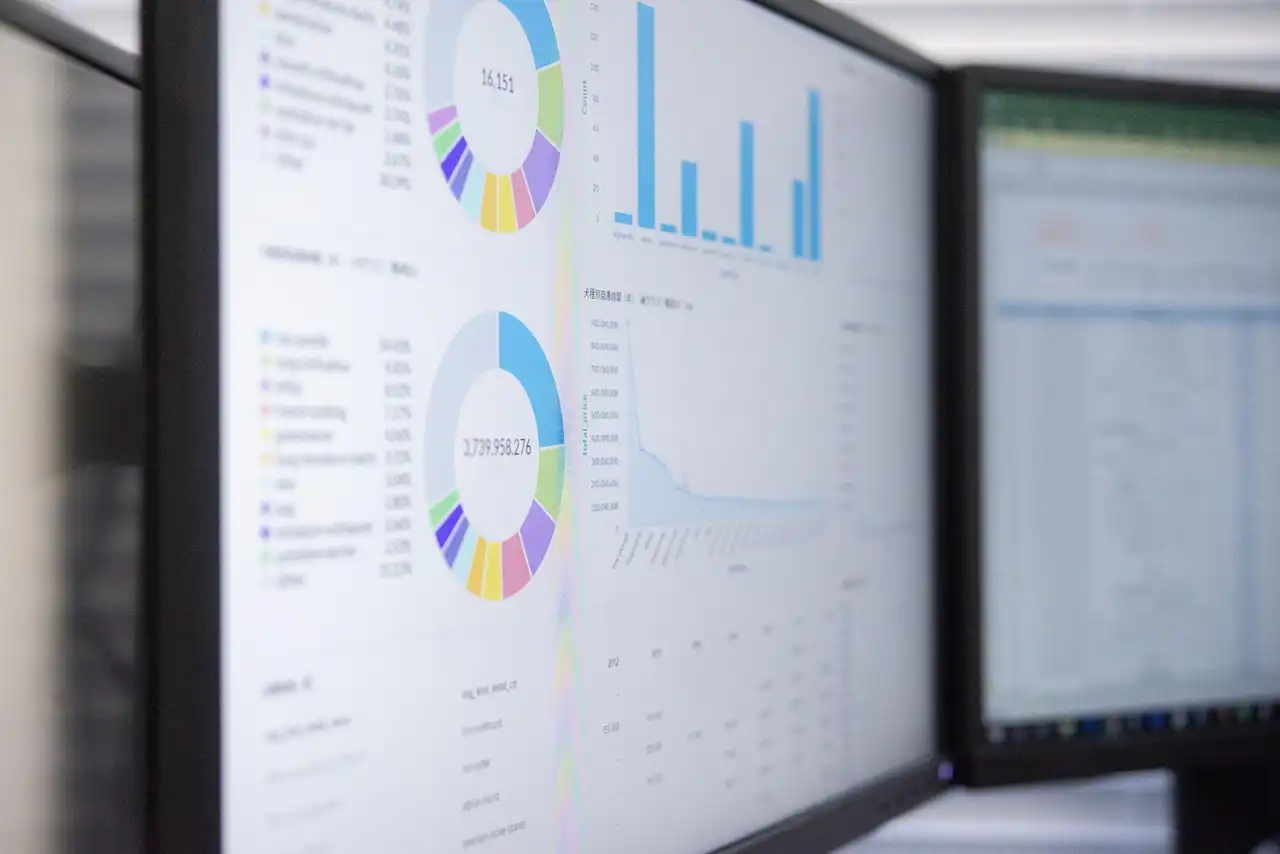






using Analytics Engineering for Competitive Edge
/Analytics Engineering as a Competitive Edge
Software Development

Analytics Engineering as a Competitive Edge

Read time 4 mins
June 3, 2026

Got a question?

Send us your questions, we have the answers

Talk with us

Get expert advice to solve your biggest challenges

Book a Call

When Data Stops Being a Report

For years, analytics lived at the end of the line. The product shipped, the quarter closed, and a report landed in someone's inbox explaining what had already happened. Useful, maybe, but always a step behind.

using Analytics Engineering for Competitive Edge

Analytics engineering flips that order. It treats data as raw material for building, not a postmortem. The numbers stop describing the past and start shaping the next decision a team makes.

The Edge Hiding in Plain Sight

Most software teams already collect more data than they know what to do with. The advantage rarely comes from gathering more. It comes from making what you have useful at the exact moment a decision gets made.

That is the quiet shift happening across product teams right now. The winners are not the ones with the biggest dashboards. They are the ones who put a clean, trustworthy signal in front of the people writing the code.

The Shift from Analytics to Engineering

The Shift from Analytics to Engineering

The shift from traditional analytics to embedded analytics engineering is reshaping how products are developed. By integrating analytics directly into workflows, teams can make data-driven decisions in real time, fostering innovation and improving user experiences.

Discover our analytics solutions

Integrating Analytics into Development

Picture the old workflow. A feature ships, marketing waits for adoption numbers, and three weeks later a spreadsheet suggests a tweak that engineering queued behind everything else. By then the moment has passed.

Analytics engineering closes that gap by moving data upstream. Event tracking gets defined alongside the feature, not bolted on after launch. The same pull request that adds a button also answers how anyone will know if the button works.

The payoff is decisions made with evidence instead of instinct. A developer can see which path users actually take, not the path the spec assumed. Small course corrections happen during the build, when they are cheap, rather than after, when they are not.

None of this requires a data science department. It requires treating clean, modeled data as part of the product itself, owned by the people who ship.

"Embedding analytics into product development is not just an advantage; it's a necessity for innovation."

Creating a Feedback Loop

A real-time signal only matters if it loops back into the work. The teams that pull ahead are the ones who shorten the distance between noticing something and acting on it.

When usage data refreshes hourly instead of quarterly, iteration stops being a planning exercise. You ship a change in the morning, watch how people respond by afternoon, and adjust before the week is out. The build becomes a conversation with the user.

That loop also pulls people out of their silos. When developers, marketers, and product managers all read from the same live source, arguments about whose numbers are right simply disappear. Everyone is looking at the same screen.

What follows is faster agreement and faster motion. Less time spent reconciling reports, more time spent deciding what to do next.

Impact of Analytics Engineering on Product Success

Impact of Analytics Engineering on Product Success

The integration of analytics engineering shows significant improvements in product performance and customer satisfaction.

30%

increase in product deployment speed

25%

improvement in customer satisfaction scores

40%

boost in data-driven decision making

Where Analytics Engineering Goes Next

The direction is clear enough. Data is moving closer to the moment of decision, and the lag between a user's action and a team's response keeps shrinking. Tooling that once belonged to specialists is becoming part of the everyday stack.

As models get woven into products, the quality of the underlying data matters more than the cleverness of any single feature. Messy pipelines produce messy predictions. Clean, well-modeled data is quietly becoming the thing that separates products that learn from products that guess.

For teams deciding where to invest, the move is unglamorous but durable. Define your events with care. Make data ownership a shared responsibility rather than a handoff. Treat the pipeline like production code, because it is.

The teams that do this early will not announce it. They will just keep shipping the right things slightly sooner than everyone else, again and again.

Where This Leaves Your Team

The competitive edge here is not a tool you buy or a hire you make. It is a habit. Put trustworthy data inside the workflow, close to the people building, and let it guide the next move.

Start small with one feature, one clean signal, one tight loop. The teams that treat data as a live input rather than a rearview mirror tend to look, a year later, like they were simply faster all along.

Related Insights

Device showing continents

Software Development

Exploring Future Trends and Innovations in Software Development

As technology evolves rapidly, the software development landscape undergoes significant transformations. From emerging programming languages to advanced development methodologies, developers are constantly adapting to new trends and innovations shaping the future of software development. According to a report by Statista, the global software development market is projected to reach $507.2 billion by 2023, driven by the increasing demand for digital solutions across industries. This article will explore critical future trends and innovations reshaping the software development landscape and driving industry growth.


Abstract plexus blue geometrical shapes connection Ai Generated Image

Software Development

Navigating the Future with Blockchain Integration and Web3 Solutions in Software Development

Integrating blockchain technology and Web3 solutions into software development is revolutionizing how applications are designed, deployed, and operated. Blockchain, a decentralized and immutable ledger technology, offers unprecedented security and transparency, making it ideal for many applications beyond cryptocurrency. According to a report by Market Research Future, the global blockchain technology market is projected to reach $39.7 billion by 2025, growing at a CAGR of 67.3% from 2018 to 2025. Additionally, the emergence of Web3, a decentralized and user-centric internet, drives the adoption of blockchain-based solutions across industries.

desk

How Can Marketeq Help?

InnovateTransformSucceed

Unleashing Possibilities through Expert Technology Solutions

Get the ball rolling

Click the link below to book a call with one of our experts.

Book a call
triangles

Keep Up with Marketeq

Stay up to date on the latest industry trends.