Industrial Automation
Discover the power of Cognitive Automation and Artificial Intelligence (AI) in transforming synergistic capabilities that are advancing the industry into a future defined by innovation, insights, and strategic excellence.


Send us your questions, we have the answers
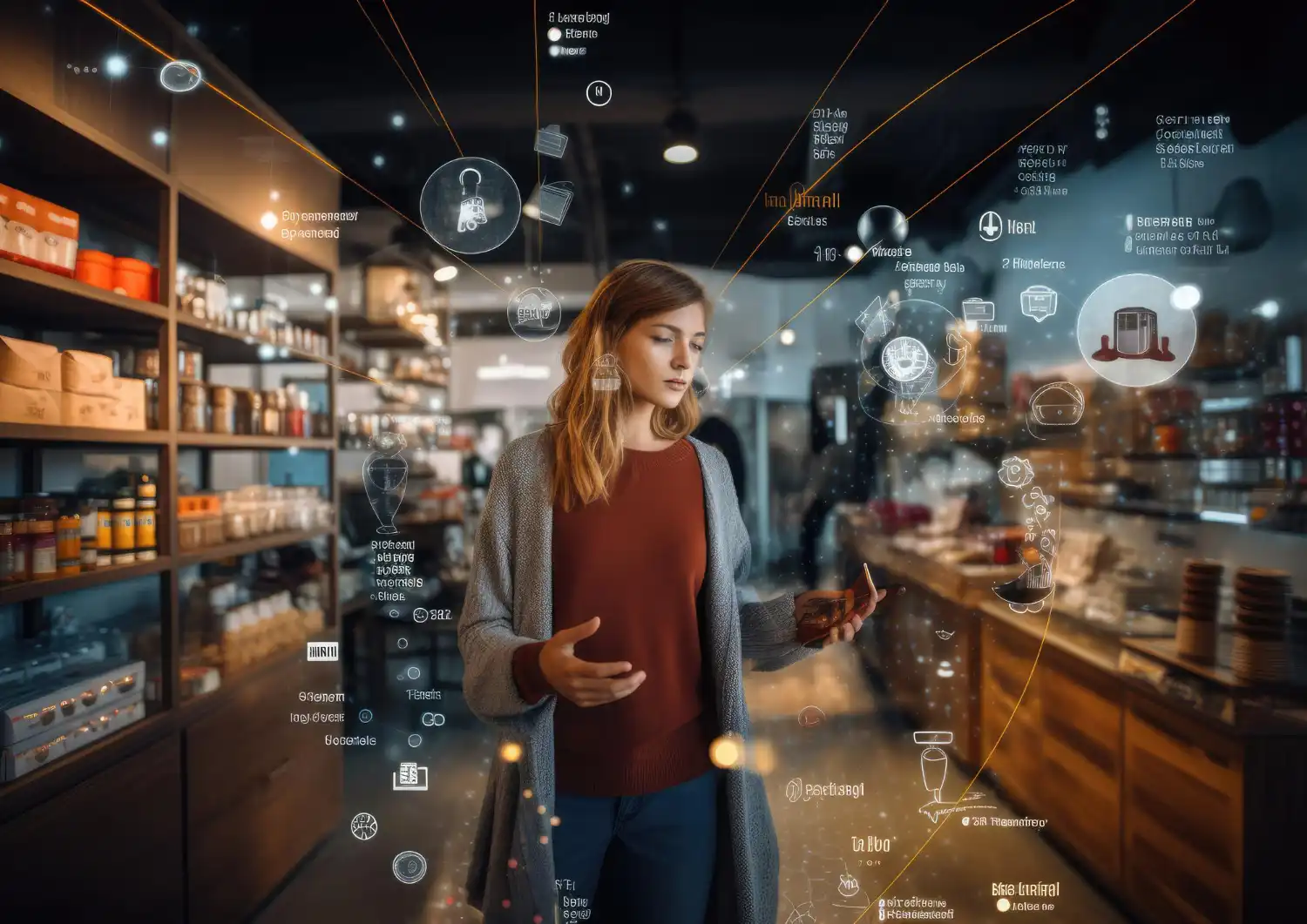
The exponential growth of e-commerce has revolutionized the retail industry, providing consumers with unparalleled convenience and access to various products. However, this rapid expansion has introduced challenges in order fulfillment and logistics, necessitating innovative solutions to optimize operations. Industrial automation emerges as a transformative force, offering opportunities to enhance efficiency and elevate the customer experience in online retail.
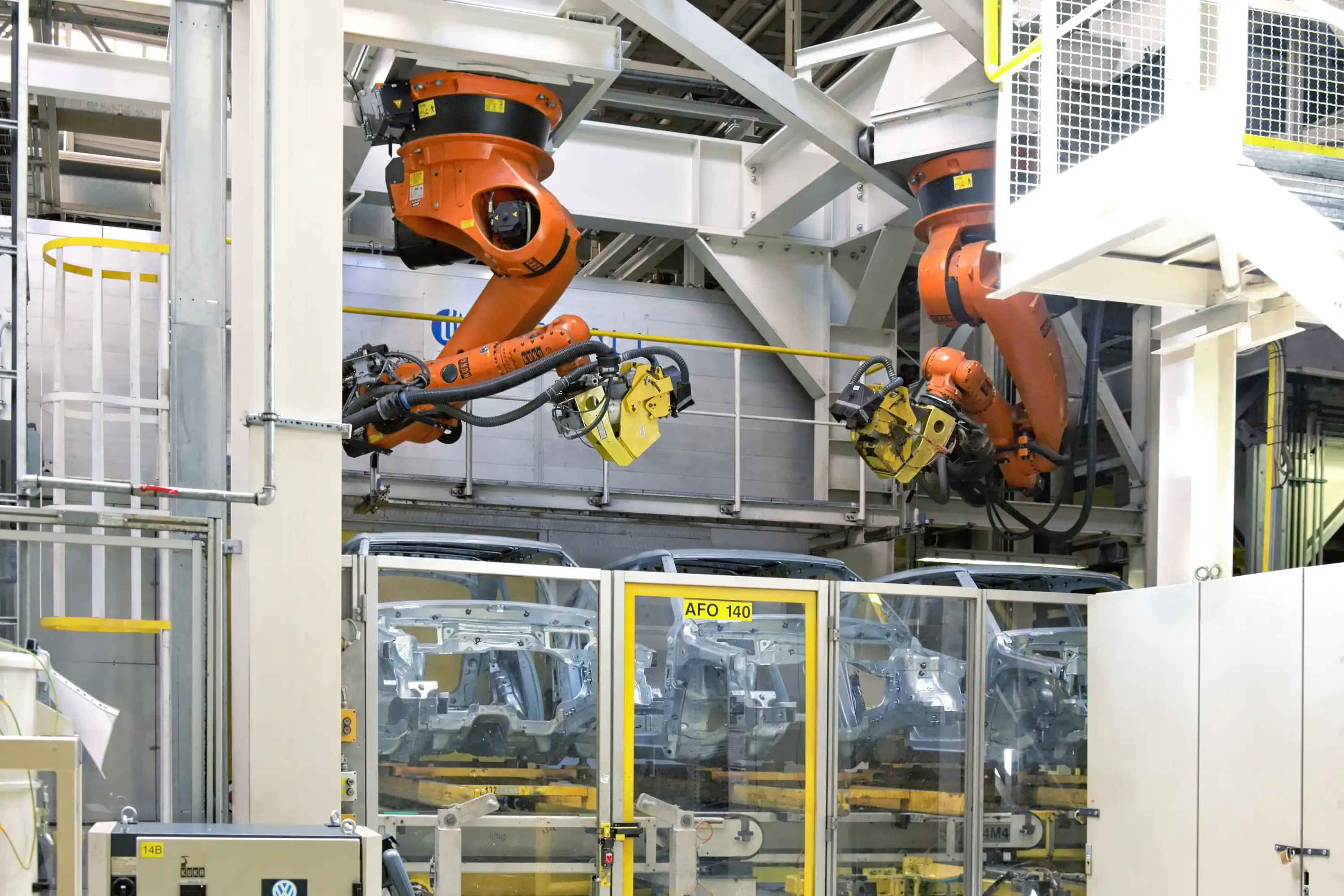
Industrial automation encompasses a spectrum of technologies designed to automate manufacturing and logistics processes, including robotics, automated machinery, and warehouse automation systems. According to a study by Research Dive, the global industrial automation market size is projected to reach $306.2 billion by 2026, driven by advancements in artificial intelligence and machine learning. These technologies are reshaping industries, from automotive manufacturing to food processing, by improving productivity, quality, and safety standards. For example, automation has significantly reduced defects and production time in the automotive sector, resulting in cost savings and higher customer satisfaction.


This report helps leaders connect industrial automation priorities with clearer ownership, governed execution, and measurable operational throughput.
Download ReportBusinesses are increasingly turning to industrial automation solutions to address the complexities of e-commerce fulfillment. Automated picking and packing systems, conveyor belts, and autonomous mobile robots (AMRs) are revolutionizing warehouse operations. According to a report by Grand View Research, Inc., the global warehouse automation market is forecasted to reach $30.85 billion by 2028, driven by the need for operational efficiency and cost reduction. These technologies enable e-commerce businesses to meet growing consumer demand for faster delivery while reducing labor costs and minimizing errors. For instance, companies like Alibaba and JD.com have deployed robotic fulfillment centers capable of accurately processing thousands of orders per hour.
Last-mile delivery presents unique challenges in e-commerce, with consumers expecting fast and convenient shipping options. Automation solutions such as delivery drones and autonomous vehicles hold promise for optimizing last-mile delivery. A study by Statista estimates that the global drone logistics and transportation market will reach $11.20 billion by 2030, driven by advancements in drone technology and regulatory support. Companies like Amazon and UPS are experimenting with drone delivery services to reach remote areas and expedite deliveries in urban centers. Additionally, autonomous delivery vehicles equipped with AI-powered navigation systems are being deployed to improve efficiency and reduce delivery times.
Automation not only streamlines fulfillment processes but also enhances the customer experience. Real-time tracking and notifications, as well as chatbots and virtual assistants, are improving communication and support for online shoppers. According to a survey by Salesforce, 84% of customers say that being treated like a person, not a number, is very important to winning their business. AI-powered chatbots can provide personalized recommendations, answer customer inquiries, and resolve real-time issues, increasing customer satisfaction and loyalty. Moreover, automation technologies enable e-commerce businesses to offer flexible delivery options, such as same-day or next-day delivery, to meet the evolving needs of consumers.

The future of e-commerce automation is brimming with innovation, driven by advancements in artificial intelligence and augmented reality. Predictive analytics for inventory management and customer personalization, as well as augmented reality for immersive shopping experiences, are poised to reshape the e-commerce landscape. A report by ABI Research predicts that AI in e-commerce will drive $4.5 billion in cost savings by 2023. AI-powered recommendation engines can analyze customer behavior and preferences to deliver personalized product recommendations, leading to increased sales and customer satisfaction. Furthermore, augmented reality technologies enable consumers to visualize products in their own environment before purchasing, reducing the likelihood of returns and enhancing the online shopping experience.

In conclusion, integrating industrial automation solutions with e-commerce is revolutionizing the future of online retail. E-commerce businesses can overcome challenges, streamline operations, and deliver exceptional customer experiences by leveraging automation technologies. As the e-commerce landscape evolves, staying ahead of the curve and embracing innovative solutions will be crucial for success in this dynamic and competitive market. With the right strategy and investment in automation, e-commerce businesses can position themselves for long-term growth and profitability in the digital age.

Industrial Automation
Discover the power of Cognitive Automation and Artificial Intelligence (AI) in transforming synergistic capabilities that are advancing the industry into a future defined by innovation, insights, and strategic excellence.

Industrial Automation
Discover how technological expertise of IT consulting powerhouses are reshaping industrial automation, fueling the emergence of smart factories and revolutionizing manufacturing processes on a global scale.

Industrial Automation
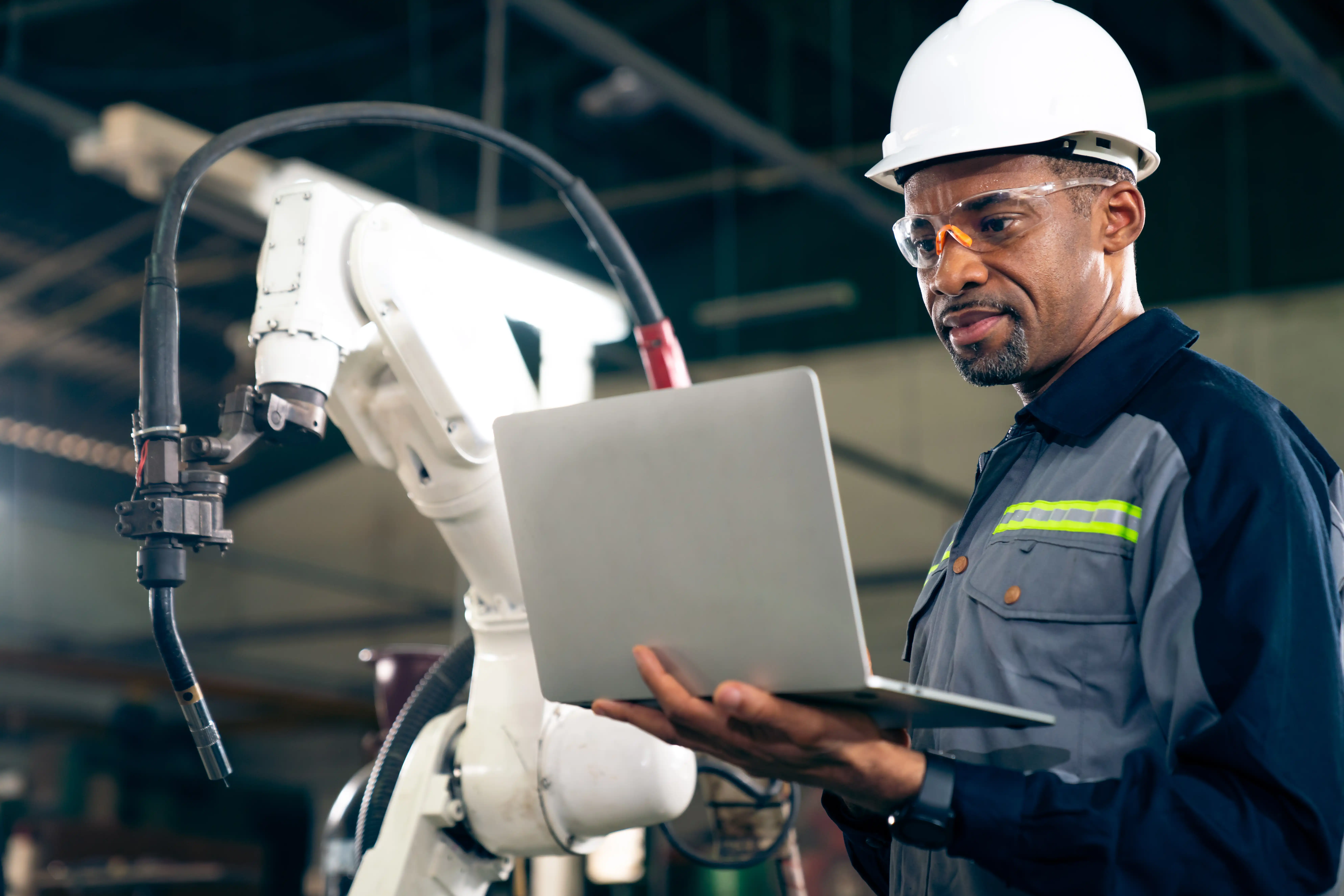
In today's rapidly evolving corporate landscape, combining human ingenuity with technological innovation has become a linchpin of success. As industries embrace industrial automation, the symbiotic relationship between human expertise and cutting-edge technology emerges as pivotal in driving efficiency, fostering innovation, and shaping the production trajectory. Visionary IT consulting firms are at the forefront of propelling this harmonious collaboration between human creativity and technological advancement. The significance of industrial automation synergy is underscored in an era marked by digital disruption and unparalleled technical advancements. Mundane tasks have evolved into strategic initiatives by seamlessly integrating human ingenuity and technological capabilities.



Unleashing Possibilities through Expert Technology Solutions
Stay up to date on the latest industry trends.
Switching language...